
 EN
EN


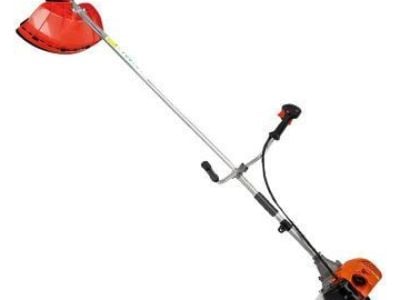
Small farming is a great way to make a living and if rewarding, but then there are struggles, too. A lot of farmers are interested in products and tools that will help them grow crops and keep up with their land. QINLI gets it. We want to help small farmers with good products that make things easier for them. Having the right seeds, tools, or maintenance supplies can be a game changer. What small farmers need to grow and where they can buy cheap products for land management is what this post will address
What the Small Farmer Needs for Increasing His Hold upon the Soil
There are a few fundamental principles that every small-scale farmer should be beginning to think about in order to effectively grow their crops. First off, having good soil is key. Good soil can make your plants strong and vigorous Farmers can improve such soil by the addition of compost or natural fertilizers. This can help keep the plants in good health and make the land more productive over time. Next, seeds matter a lot. Selecting seeds that match the local climate and soil type could also help farmers increase their yields. Some seeds are bred to resist pests or diseases, which can save you time and money down the road. It’s also wise to know about crop rotation. That, in turn requires planting a sequence of different crops. It helps to maintain the health of the soil and may control pests
Water is another essential resource. During dry spells, irrigation systems can help provide water. Small farmers could adopt techniques like drip irrigation, which delivers just the right amount of water to plants without excess being wasted. This type of watering saves more water than conventional watering system. With that, farmers must consider how they can naturally control pests. This might involve deploying beneficial insects, or planting flowers to attract them. It can be harmful to the environment to use chemicals, so it’s really important to find natural ways to keep these little critters away
And lastly, education and community support are vital. Participating in local farming organizations yields of useful lessons. Farmers can pass along tips and tricks that have served them well. Workshops and classes can also assist farmers in learning new skills and keeping up with best practices. At naked up, we think that resources and knowledge can help poor farmers to success
Where to Get Inexpensive Wholesale Products for Land Maintenance
It may feel like a challenge to find affordable products for land maintenance, but there are a lot of choices available. Local hardware stores usually have some basic products including tools and fertilizers. But for bigger requirements, farmers may wish to consider wholesale providers. These suppliers sell items in bulk, which may be more cost effective. Some providers have online stores, allowing teachers to compare prices and locate what they need without traveling far
Farmers must also consider farmer cooperatives. Membership of a co-operative enables farmers to combine their resources together. That might entail purchasing seeds or tools together at a reduced price. It helps members share knowledge and tips, too. Some groups are dedicated to sustainable farming and can assist growers in sourcing environmentally friendly products at a reasonable price
You could also try approaching local small fairs or trade markets. These events can serve up some pretty unique tools or organic products. And farmers can connect with others in their community and hear about their experiences. You never know, networking may be the means to a new supplier or offer and trade for something
Sourcing of agricultural items through the internet is in vogue. There are several websites that cater specifically to agricultural supplies, which sell everything from machinery through to grass seeds. Shopping online might make it easier to find precisely what you want, and there’s often bulk pricing on-site. At QINLI, we work to ensure that small farmers can buy our products at a reasonable price. By knowing what to look for and what to ask, farmers can make sure that their land works better for them without needing to break the bank
What Are the Leading Trends in Small Farming Supplies
There has been a growth in small Scale Agriculture. Lots of people are looking to grow their own food, and they need the right supplies. A major trend today is the use of natural materials. Instead of chemicals, farmers are using organic fertilizers and methods to control pests. This is environmentally friendly, and it keeps food safe to eat Another movement is the reliance in technology. To keep an eye on their crops and soil health, an increasing number of small farmers buy apps and devices that are connected to company-owned clouds. For instance, sensors can alert farmers when their plants are thirsty or in need of more nutrients. By doing so, they will be better empowered to care for their plants and receive larger harvests
Another positive development is the emphasis on sustainable and local. There are more people who want to buy food that is grown near where they live. This supports local economies and shrinks the carbon footprint of transporting food over long distances. Small farmers who are taking on the challenge by producing an array of these crops which are in demand at the community level. They are also employing crop rotation and other methods to maintain the health and productivity of their soil. There’s no shortage of products that cater to these trends, with QINLI providing supplies from organic fertilisers to tools for efficient farming. Lastly, community supported agriculture (CSA) is on the rise. That means that people can buy a fraction of a farmer’s crop in advance. This is good for farmers’ finances and puts fresh food in your hands all the time
What Are The Mistakes Of Amateur Farmers
Hitting the ground running with a small farm can be exhilarating, but there are many mistakes people make. A frequent mistake is a shortage of planning. Some of the rookie farmers dive in to planting immediately without really considering which crops they want to grow, how much space they will need or what supplies are necessary Planning is crucial because it helps farmers establish goals and know what they need in order to succeed. Another is not respecting the soil. The condition of soil is important for the growth of plants. Growers should test their soil for its pH and nutrients. Roots might not grow well if soil sucks. Using the appropriate QINLI products could improve soil health, but farmers need to know what their soil requires in the first place
Another mistake is ambitious crop growth, or trying to grow too many different types at once. While variety is the spice of gardening, newcomers may have a hard time managing all those plants. Have a few and learn how to take care of them before you get more. Finally, some farmers neglect to pay attention to what they are spending. Small-scale farming can be expensive so it’s important to see where the money is going. Farmers need to understand the cost of their tools, seeds and other supplies so that they are effective budget planners. Here are some common mistakes that small farmers can avoid to help ensure they create successful and sustainable operations
Get the Most Out of Your Land Management Tools
Smallholder farming is all about efficiency. The right tools can make the process easier for farmers. For one, it is critical to select tools appropriate for the size of the farm. Hand tools, like hoes and rakes, can be very effective on small plots. QINLI also provides a variety of easier to use hand tools for smaller spaces. These devices assist farmers to plow, sow the seeds, and preserve their gardens more easily. For larger spaces small tractor or tillers might be worth the purchase. Plowing and planting can be vastly sped up by these machines
The workspace could be cleared in order to improve efficiency for example. They should keep their tools in repair, and where they can be found. Farmers also can benefit from a schedule for when to plant, water and harvest. How you water is also key. For instance, drip irrigation can save water and take it straight to the roots of plants. This is a more efficient way of watering, as the amount of waste will be minimized. Furthermore, farmers can use mulch or cover crops to suppress weeds and retain soil moisture. In this way, they’ve dedicated less time to weeding and watering. Armed with the right tools and a little forethought, small farmers can work more efficiently and find success in their farm endeavors