
 EN
EN


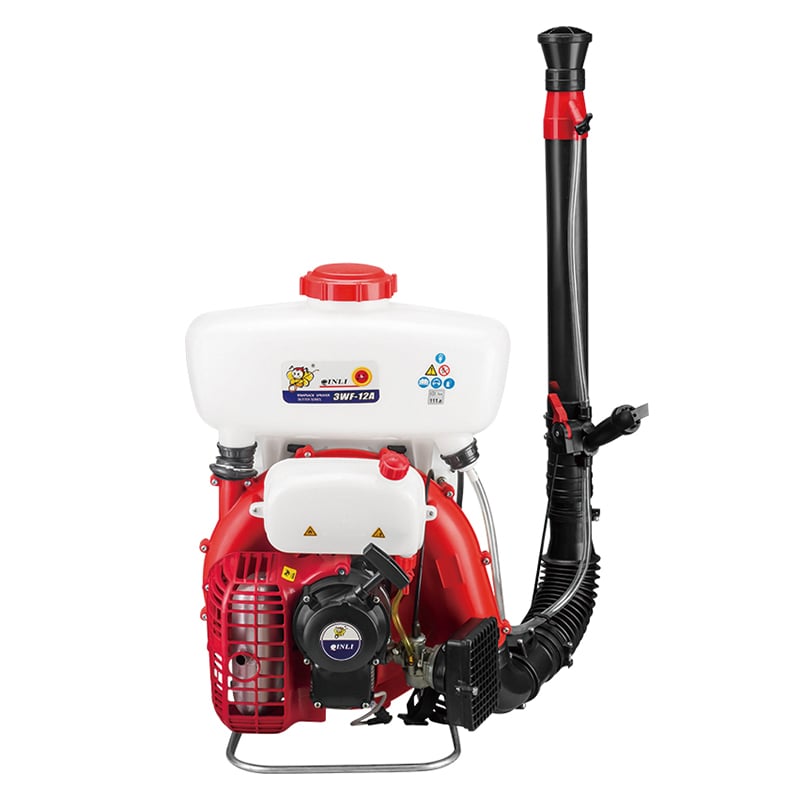
Picking the perfect flow rate for your water pump light weight portable one is very important. If you nail it, your pump will act just as you need it to. The truth is, whether you’re keeping it simple for doing some gardening, or wanting to use it year-around for cleaning, or simply drawing water out from a flood, the water flow rate matters. Flow rate is simply how much water the pump can move in a given time period (usually GPM (gallons per minute) or LPM (liters per minute). Too low of a flow rate and you’re waiting for the job to complete. If it’s too high, you can waste water or even ruin the pump. So knowing how to select the proper flow rate is crucial, and at QINLI we want to make this easier for you to comprehend.
How to Determine the Ideal Flow Rate for Your Portable Water Pump
What is the perfect flow rate for your portable water pump? There is a lot to consider and we are here to help you decide! Water needs vary by task. For instance, if you are watering a garden, you may not want to use a super high flow rate. Not fast flow is better, so it can soak into the soil rather running off. If you’re cleaning a big area, on the other hand, you’ll want a high flow rate so you can get the job done quickly. You’ll also want to consider how far the water needs to travel. If it needs to travel up a hill or down a long hose, you may require a more powerful pump. You should also consider the size of the pump. The smaller the pump, the less water it can move per minute; the bigger the pump, the more water it can push. It’s also essential to pay close attention to the specifications of the pump. This will tell you the flow rate so that you can compare it to what’s needed. Remember, balance is key. What you want is enough flow to get the job done quickly but not so much that’s it wasteful or overpowered for your work.
Where to Find High-Quality Lightweight Portable Water Pumps
There are a lot of choices for great lightweight portable water pumps. Shopping online Winner: It’s a good way to see what you can get. Websites often feature customer reviews, which may help guide you in a good direction. When shopping for a pump, you’ll also want it to be easy to transport and set up; portability matters. Also, determine if the pump is covered by a warranty. This demonstrates the validity of their product. At QINLI, we have diverse lightweight pumps that feature high-quality materials. You can also check out the pumps at your local hardware store. That way you can feel the weight and assess the build quality. Do not be shy to ask questions to the store staff they can lead you based on what you need. Lastly, consider your budget. Pumps come at all costs, so do an analysis of what you want and your wallet. A pump can help you with that, speeding up the task of filling or emptying and just generally making it easier to get the job done.
Key Factors That Influence the Best Pump Flow Rate for Your Needs
There are several things to keep in mind when deciding which flow rate is best for your lightweight portable water pump. The first is to understand what you’re using the pump for. These various tasks have different flow rates. For instance, if you are planning to use the pump for filling a swimming pool, you need better flow rate. If you’re putting a pump in for a small garden, on the other hand, that lower flow may be perfectly fine. Another consideration is how far the water has to go. If the water needs to travel a long distance or go up a hill, you may have to buy a pump with a higher flow rate in order to complete the job sooner. What kind of water you’re pumping matters as well. If the water is dirty and full of debris, you might need a pump to deal with that. QINLI products are pumps, which can be used to transfer varying kinds of water and, therefore, you should select one for your use. The diameter of the hoses you use with the pump can also influence the flow rate. Bigger hoses will move more water, smaller hoses less. And finally, consider how frequently you will use the pump. If you are going to use this gas canister inflation very often, it is useful to invest in a pump according to the proper flow rate as well, such that will be more practical and save your time surely.
Tips to Avoid Common Mistakes When Choosing a Portable Water Pump Flow Rate
In order to prevent errors when choosing the flow rate of a portable water pump, you should do some research. Begin by reading the user’s manual provided with your QINLI pump. This guide will aid you in knowing what your pump can and cannot do. It’s important to know how much water the pump can move in a given time. For instance, a pump capable of moving 500 gallons an hour is perfect for very large jobs, but if you only need to move 100 gallons you may be better off with a smaller pump. Always measure the space where you intend to use your pump. Use a tape measure to calculate how much water you have to push and how quickly you need to do it. Planning ahead can prevent you from making mistakes. If you are unsure, you can always consult someone at QINLI or search online. It’s also a good idea to look at reviews from users. They may be able to offer some advice about their experiences with different flow rates and guide you better. Never forget to factor in future need, as well. Deciding whether you'll want to move more water later will influence how much gradient and turnover fits what's going on in your tank, so it might be reasonable to choose a pump with a higher flow rate now.
Selecting the Wrong Flow Rate for You Portable Water Pump - 5 Common Errors
There are several common issues that you will encounter if you pick the wrong flow rate. Too low of a flow rate, and it might take you an eternity to do what you need to do. For example, if you are also attempting to fill a pool, it can mean standing around waiting all day for your water to be shut off. This can be maddening, especially if you had plans to throw that pool party. On the other hand, flow rate that’s too high can also create a set of problems. When flow rates are high, this can result in splashing and wasting water if you’re watering plants or reaching into a sink to fill containers. Not only does this waste water, but it’ll make a mess that you’re going to have to clean up. It may also cause unnecessary strain on the pump. If your pump is always doing more than it needs to, it could suffer from early fatigue. That could lead to spending more on repairs or replacing them younger than desired. There’s also the safety factor to consider. If too much water is pulled so quickly, it can cause spills or flooding. With QINLI water pump, you can easily never encounter those problems again because you can choose your flow rate and shut off the stream when desired! Just make sure to choose a flow rate that suits your application and you’ll run smooth and efficient.
Table of Contents
- How to Determine the Ideal Flow Rate for Your Portable Water Pump
- Where to Find High-Quality Lightweight Portable Water Pumps
- Key Factors That Influence the Best Pump Flow Rate for Your Needs
- Tips to Avoid Common Mistakes When Choosing a Portable Water Pump Flow Rate
- Selecting the Wrong Flow Rate for You Portable Water Pump - 5 Common Errors